

Chinese Neurosurgical Journal Highlights Robot-Guided Approach for Complex Brain Abscesses
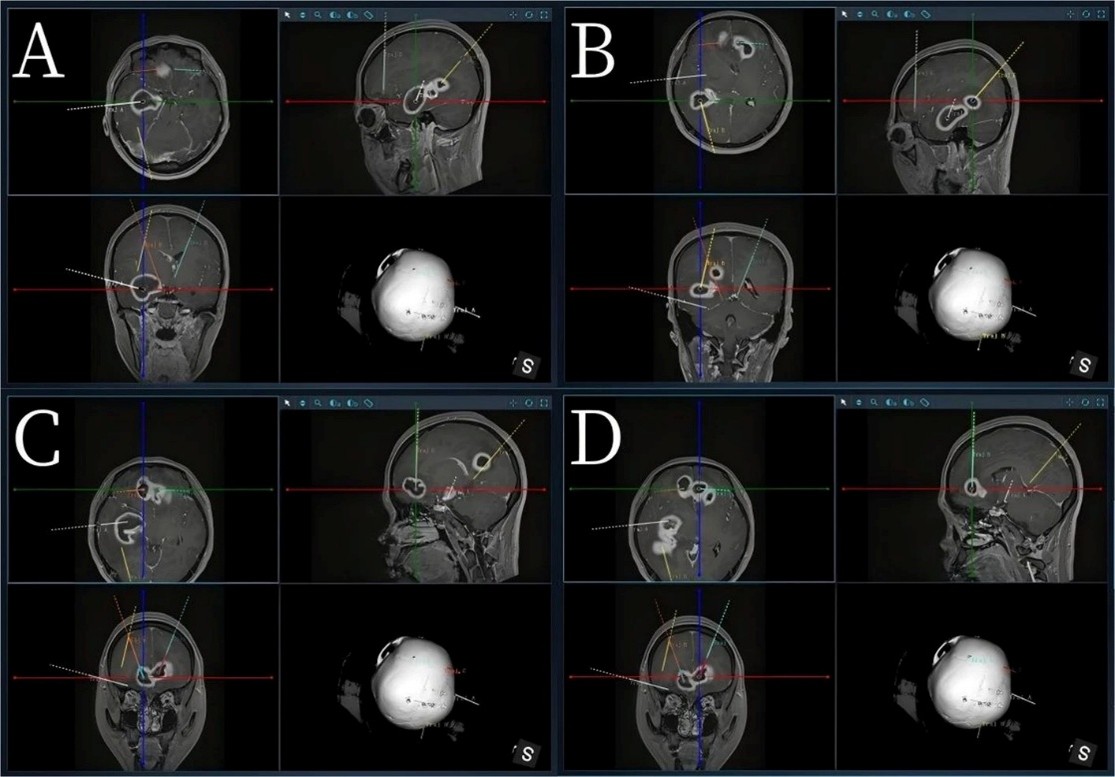
Preoperative magnetic resonance imaging and intraoperative computed tomography images were fused to create a three-dimensional model of the brain, enabling surgeons to plan four precise trajectories to safely access and drain six deep brain abscesses duri
Case report highlights successful robot-guided single-session drainage of multiple deep brain abscesses while minimizing surgical trauma
BEIJING, CHINA, July 13, 2026 /EINPresswire.com/ -- Brain abscesses are among the most serious infections encountered in neurosurgery. When multiple abscesses develop deep inside the brain, they can cause severe swelling, dangerous pressure on surrounding tissue, and rapid neurological deterioration. Conventional treatment often combines antibiotics with surgical drainage, but patients with widespread or bilateral lesions may require multiple procedures or extensive open surgery, increasing the risk of complications and delaying infection control.Addressing this challenge, a research team led by Professor Jun Wang from the Department of Neurosurgery at the First Hospital of China Medical University, China, used robot-assisted stereotactic surgery as a minimally invasive strategy to treat an unusually complex case involving multiple deep brain abscesses. They reported the successful treatment of a 21-year-old woman with six deep brain abscesses using a single session of robot-guided stereotactic aspiration. This paper was published in Volume 12 of the Chinese Neurosurgical Journal on May 27, 2026.
The patient arrived with a seven-day history of fever, headache, vomiting, and progressive deterioration in consciousness after treatment elsewhere for a suspected respiratory infection. Brain magnetic resonance imaging (MRI) revealed six ring-enhancing abscesses involving both frontal lobes and the right temporal and occipital lobes. The largest lesion measured 3.9 × 3.3 cm, and all the abscesses were associated with severe edema and a significant midline shift, indicating a high risk of life-threatening brain herniation, making urgent surgical intervention necessary.
Rather than performing a conventional craniotomy, the team used a robot-assisted stereotactic navigation system. Preoperative MRI and intraoperative computed tomography images were fused to create a detailed three-dimensional model of the brain. Surgeons planned four safe trajectories to reach the six abscess cavities while avoiding critical blood vessels, functional brain regions, and the ventricles. Notably, two of these trajectories enabled surgeons to access two abscesses each through a shared entry path ("one puncture, two injections"), reducing the number of cortical entry points and potentially minimizing surgical trauma.
Prof. Wang explains, "This case highlights the advantages of precision minimally invasive multi-target surgery together with an evidence-based perioperative pharmacologic strategy."
During surgery, each abscess cavity was drained and irrigated with gentamicin-saline. Broad-spectrum antibiotics were started immediately and later narrowed based on culture and antimicrobial susceptibility testing after laboratory identification of Streptococcus intermedius as the causative organism. Because of the extensive swelling, the patient also received a carefully monitored short course of low-dose dexamethasone to reduce cerebral edema while minimizing prolonged immunosuppression that could interfere with infection control.
The results were encouraging. Fever and meningeal signs improved within 72 hours, consciousness recovered rapidly, and one month after surgery, MRI showed complete resolution of the abscesses, with near-complete disappearance of the abscess walls. The patient regained full function with a Karnofsky Performance Status score of 100 and remained free of recurrence during six-month and one-year follow-up examinations.
Prof. Wang adds, "Robot-assisted stereotactic aspiration may represent a feasible and potentially effective strategy for managing multifocal deep-seated brain abscesses."
Although this report describes a single patient, the case illustrates the potential of robot-guided stereotactic surgery, combined with multidisciplinary expertise from neurosurgeons, neuroradiologists, infectious disease specialists, and critical care teams, to support the management of particularly challenging intracranial infections. In carefully selected patients, this minimally invasive strategy may offer the potential to reduce surgical trauma, enable rapid decompression of multiple abscesses in a single procedure, and accelerate neurological recovery, although larger clinical studies are needed to confirm these findings.
Overall, this rare case demonstrates how advanced robotic technology, integrated imaging, optimized antimicrobial therapy, and careful edema control can work together to manage a highly complex brain infection through a single minimally invasive procedure, offering valuable insight for future emergency neurosurgical care.
Reference
Title of original paper: Robot-guided stereotactic single‐stage evacuation of six intracranial abscesses: a rare case report with literature review
Journal: Chinese Neurosurgical Journal
DOI: https://doi.org/10.1186/s41016-026-00436-8
About Chinese Neurosurgical Journal
The Chinese Neurosurgical Journal is an international, peer-reviewed, open-access journal dedicated to advancing clinical practice and research across all areas of neurosurgery. As the official journal of the Chinese Neurosurgical Society, it publishes cutting-edge studies on neurosurgical techniques, neuro-oncology, cerebrovascular disease, trauma, spinal disorders, and emerging neuroscience trends. The journal emphasizes clinically relevant innovations that improve patient outcomes, surgical decision-making, and multidisciplinary care worldwide. Indexed in major databases including PubMed Central, Scopus, and DOAJ, it ensures high visibility and accessibility for global researchers and clinicians while promoting collaboration, education, and knowledge exchange across disciplines in neurological science. Website: https://cnjournal.biomedcentral.com/
About the First Hospital of China Medical University
The First Hospital of China Medical University, located in Shenyang, Liaoning Province, China, is a leading Grade 3A tertiary teaching hospital and the principal affiliated hospital of China Medical University. Founded in 1908, it has grown into one of northeastern China's largest comprehensive medical centers, integrating patient care, medical education, and scientific research. The hospital is recognized for its expertise in the diagnosis and treatment of complex, emergency, and critical illnesses across a broad range of medical specialties. As a major regional referral center, it is committed to advancing clinical innovation, multidisciplinary collaboration, and translational research to improve patient outcomes and support the development of modern healthcare.
About Professor Jun Wang
Prof. Jun Wang is a professor in the Department of Neurosurgery at the First Hospital of China Medical University, Shenyang, Liaoning, China. His research focuses on advancing neurosurgical techniques and improving outcomes for patients with complex neurological disorders. His top areas of expertise include Developmental Neurotoxicology and Gynecologic Oncology, reflecting a broad interdisciplinary research background. Through clinical practice and scientific investigation, he has contributed to the understanding of challenging diseases and innovative treatment strategies. Professor Wang has received 1,207 citations and has an h-index of 18, highlighting the impact and visibility of his academic contributions.
Yi Lu
Chinese Neurosurgical Journal
59978478
email us here
Legal Disclaimer:
EIN Presswire provides this news content "as is" without warranty of any kind. We do not accept any responsibility or liability for the accuracy, content, images, videos, licenses, completeness, legality, or reliability of the information contained in this article. If you have any complaints or copyright issues related to this article, kindly contact the author above.
